Organic fruit farming
“Fruit growing relies primarily on insects to pollinate the flowers. Organic farming promotes insect biodiversity.”
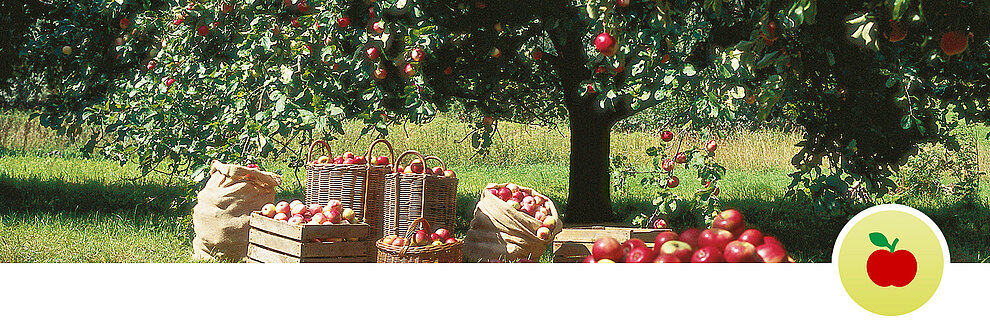
HiPP organic fruit: whole fruit from the very first spoonful

We monitor HiPP organic fruit from blossom to processing. HiPP selects particularly mild, low-acid varieties for baby food.
Organic farming does not use synthetic chemical pesticides. Significantly more insect species, such as bees, butterflies and other flying insects, are found on organically farmed land.
Bananas from the Costa Rican jungle
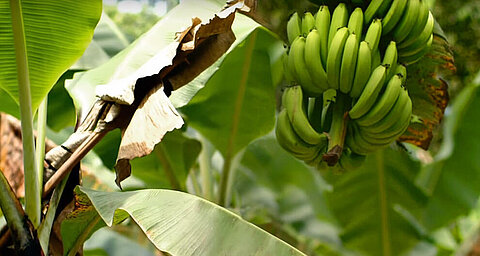
The traditional and delicious banana variety "Gros Michel" grows under optimum conditions in the jungles of Costa Rica. It is very rich in flavour, has the perfect sugar content for baby food and is never found in huge plantations. About 1.200 smallholder farmers cultivate this banana variety using traditional methods.
HiPP has long-term contracts with the local producers, they can rely on guaranteed sales. A HiPP employee works on site to ensure the outstanding quality of the products that HiPP needs for its premium baby food. In the course of more than two decades, a relationship of deep mutual trust has developed between this person and the smallholder families.
Organically grown promotes biodiversity
By cultivating HiPP organic banana plants using organic farming methods, we avoid the use of chemically synthesized fertilizers and pesticides. This benefits both soil fertility and biodiversity. Organic agriculture therefore helps create habitats that support a richer diversity of plant and animal species.
By contrast, with plantation farming, the banana plants here grow individually and well-spaced from each other. If one plant is diseased or infected with fungi, it can be removed to prevent spreading.